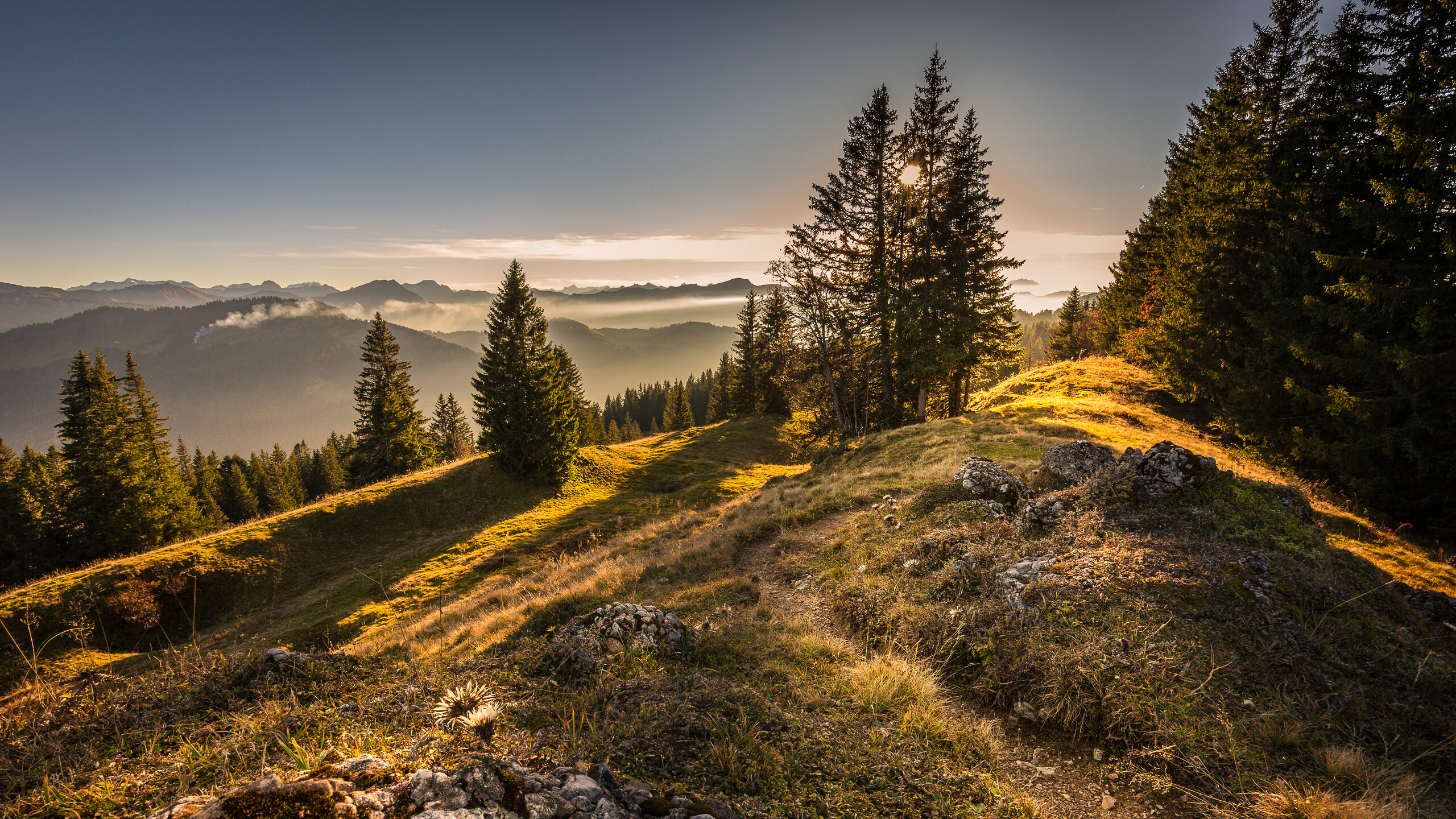
Nagelfluh Nature Park in allgäu
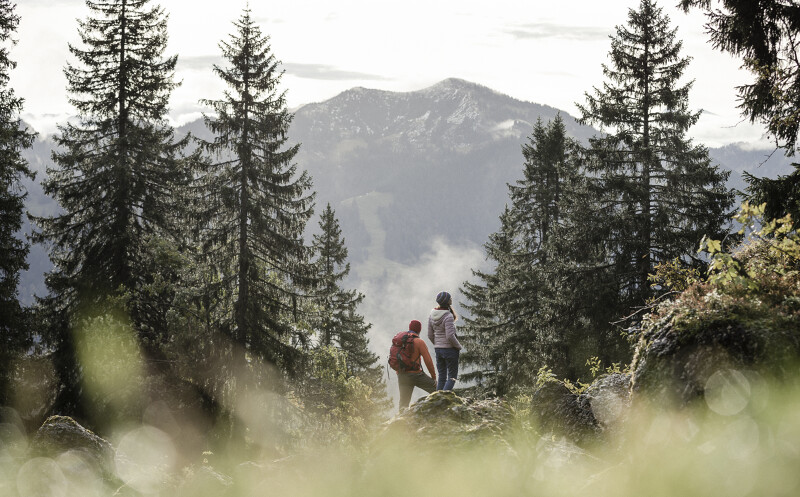
Since January 1, 2008, the international pilot project has established the first cross-border nature park between Germany and Austria. It covers 24,700 hectares in the Oberallgäu and the adjacent Bregenzer Forest. Nestled in the heart of this breathtakingly beautiful landscape lies the HUBERTUS, surrounded by the majestic peaks and fascinating rock formations of the Nagelfluh Range.
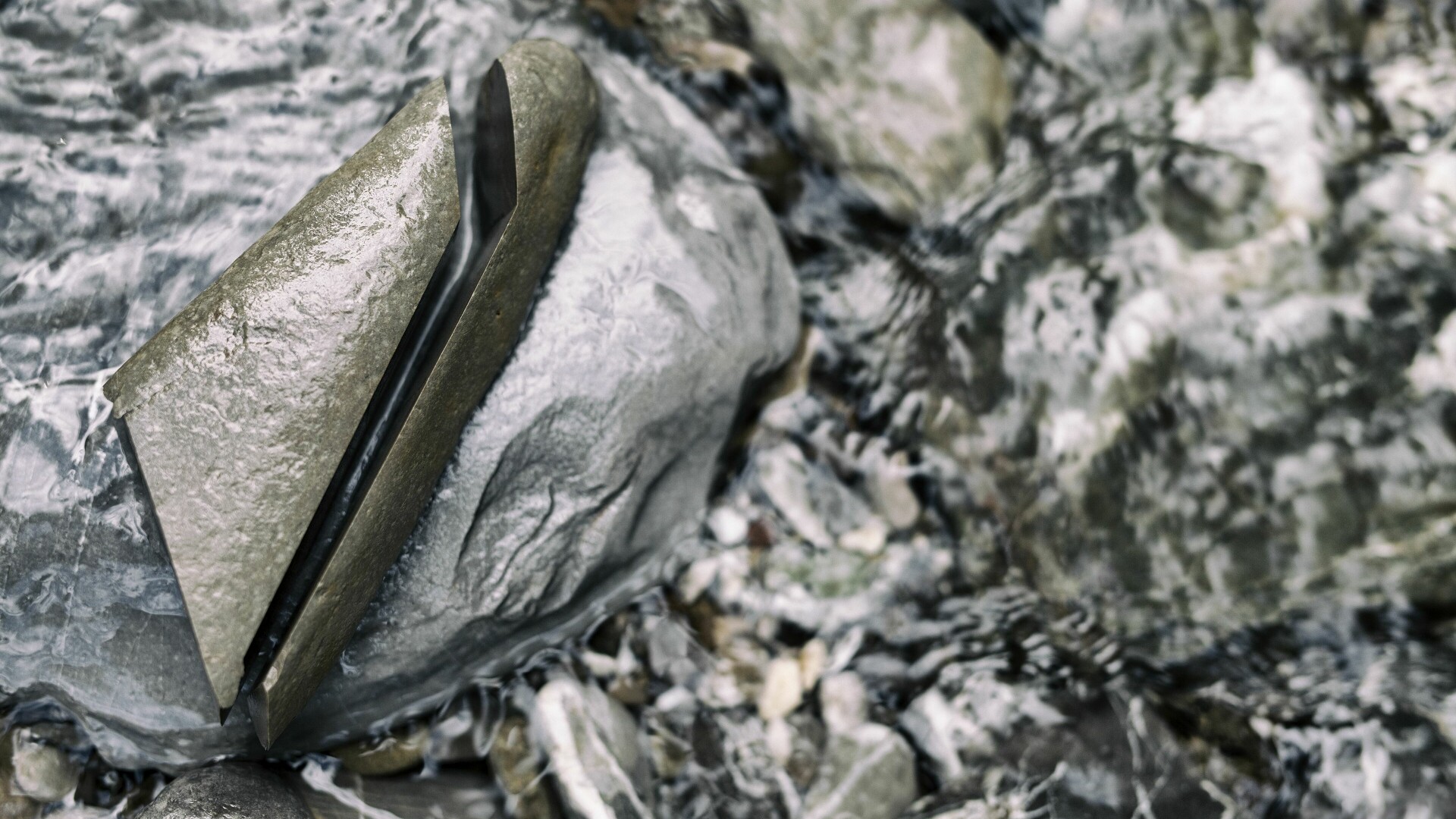
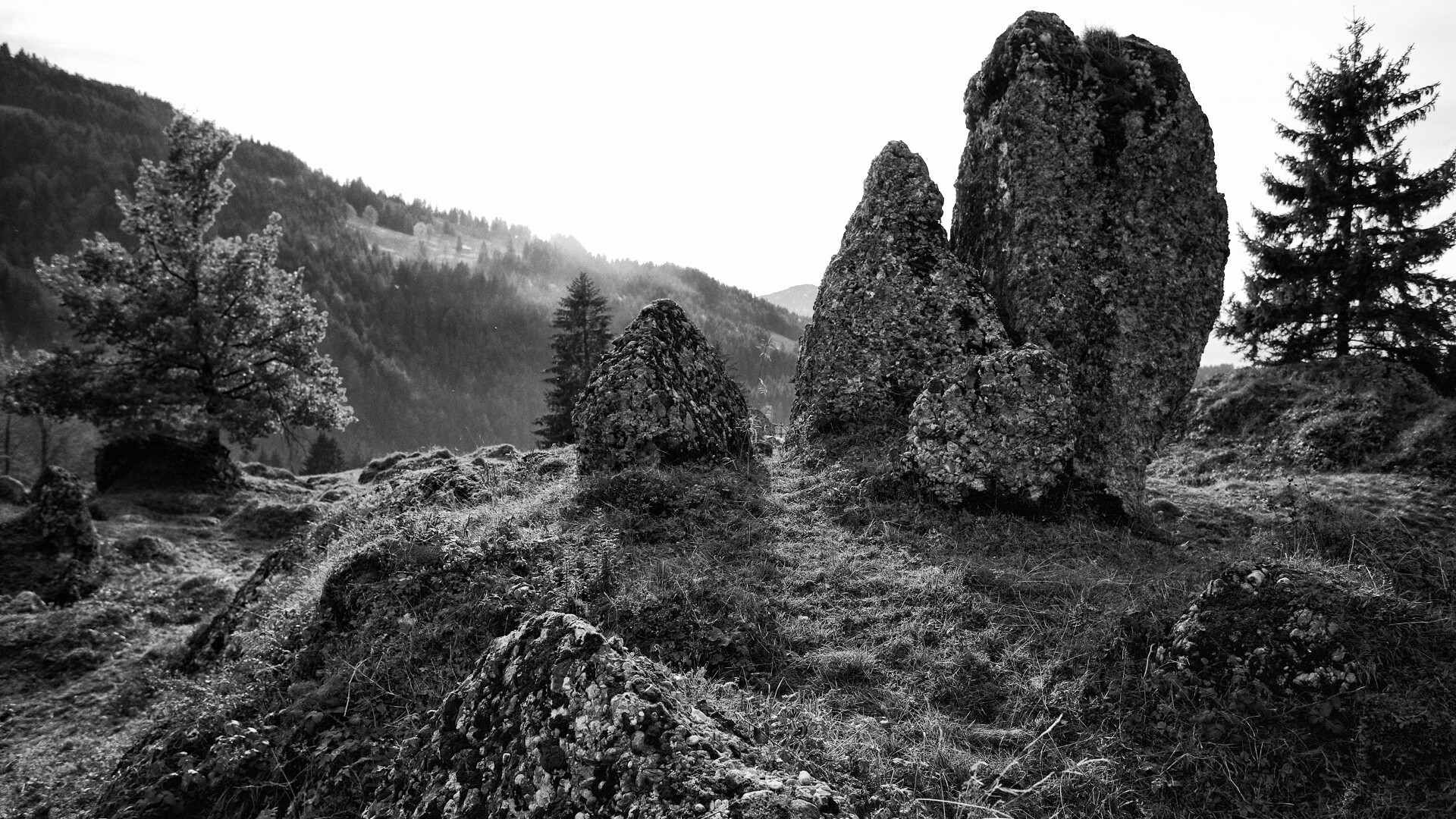
The mountain ridge of the nature park consists of a unique type of conglomerate rock called Nagelfluh. This bizarre rock formed from mud, debris, and boulders that were transported by prehistoric rivers during the formation of the Alps and deposited in a large pre-Alpine alluvial plain. Periods of varying limestone input led to the formation of layers with different degrees of cementation: layers with sufficient limestone content solidified into horizontal Nagelfluh slabs. The sand and clay banks in between, which could not solidify, became less hard and less durable layers of sandstone and marl.
Alpine meadows with 290 different plant species,
valuable high-altitude bogs that are unparalleled anywhere in Germany, silver fir forests that are unique in all of Austria
, and—with over 500 alpine pastures —the highest density of alpine pastures in
the entire Alpine region—the Nagelfluhkette Nature Park boasts
a whole host of superlatives. Characterized
, the first cross-border nature park between
Germany and Austria is defined by its scenic
diversity, its countless recreational opportunities, and the
hospitality of its people.
Significant elevation differences, geological diversity, and sustainable
alpine farming—all of these factors have led to the development of a large number of
diverse habitats within a relatively small area
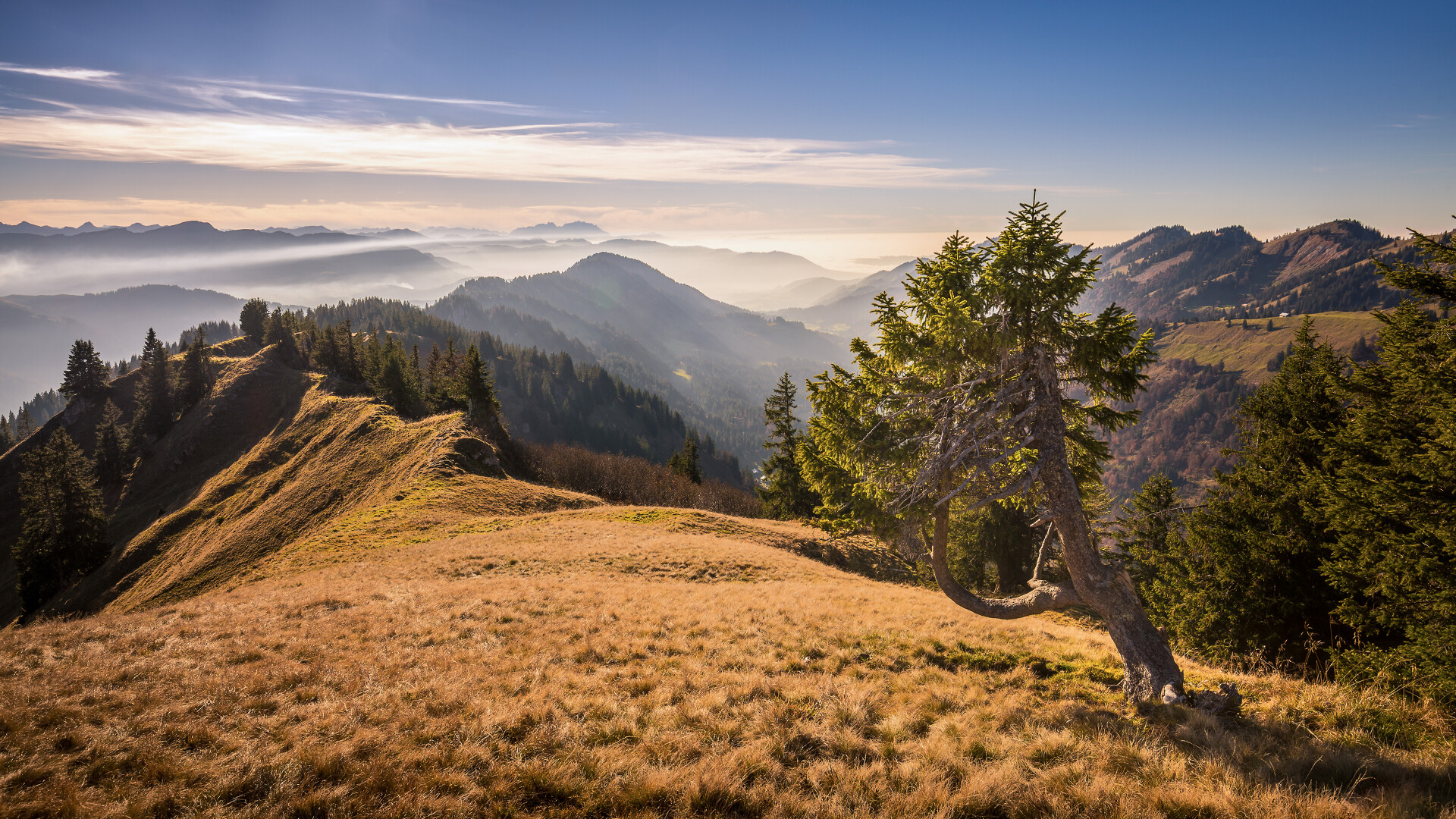
. When viewed
from an airplane, the landscape almost resembles a mosaic: mountain forests border alpine pastures, high moors, and
ravine forests along streams.
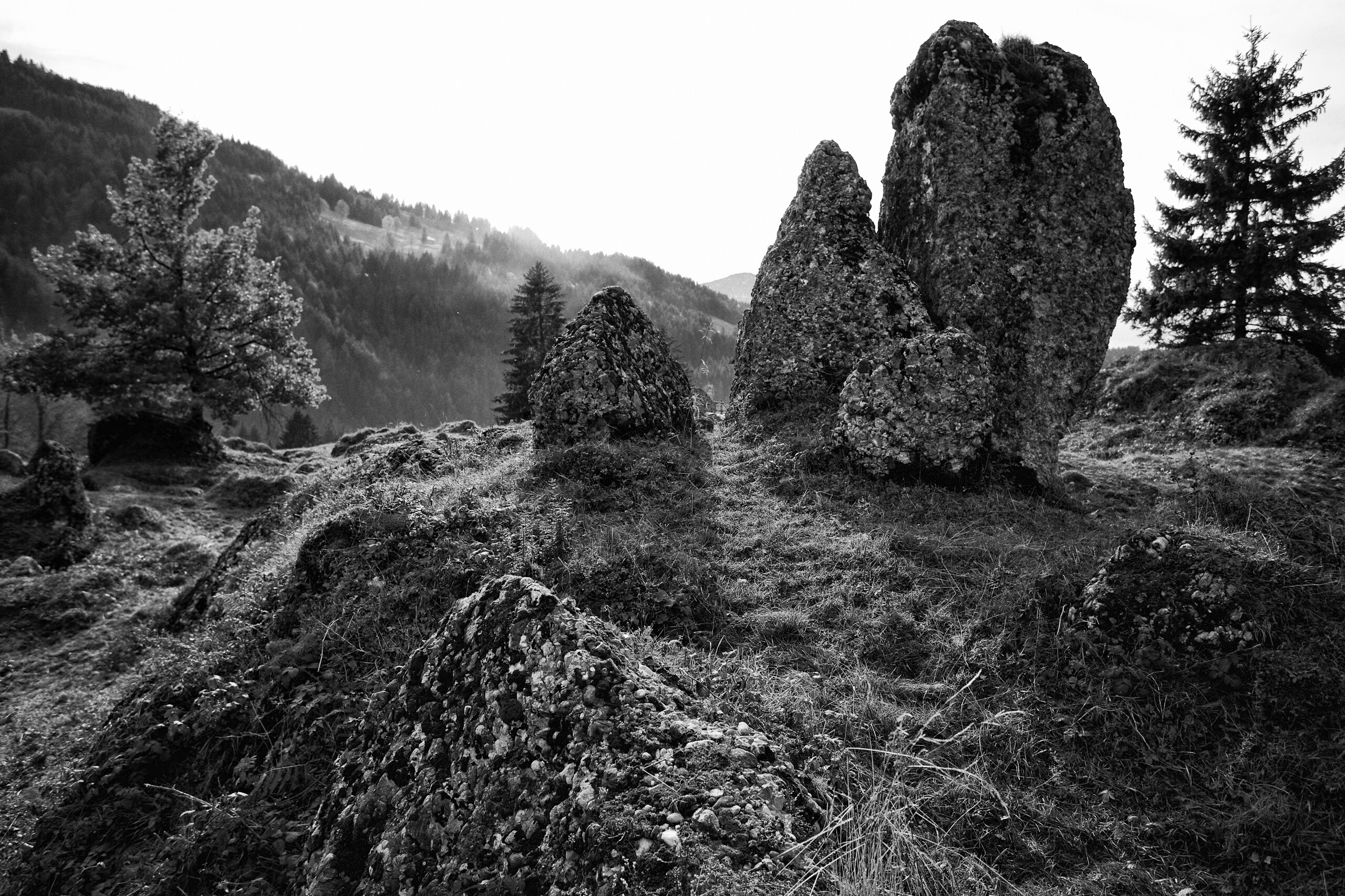
It is precisely these boundary zones that are often particularly diverse,
as they are home to species from both habitats.
Even highly selective animals, such as
the capercaillie—which inhabits the transition zone from mountain forest to
open terrain—and the red deer, which lives in herds, benefit from the strong interconnection of these small-scale
habitats.
Among the mountain forest inhabitants worthy of protection
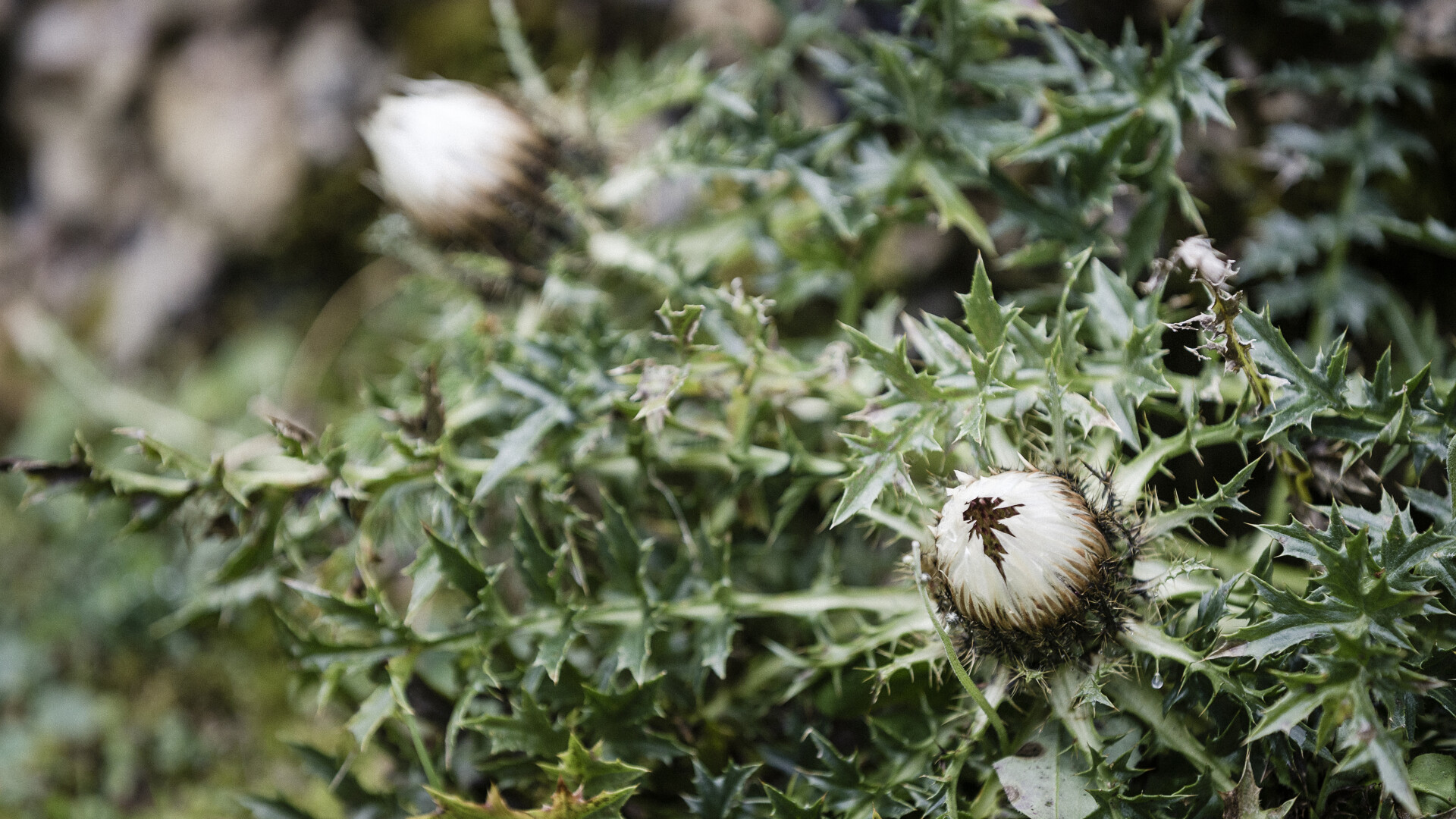
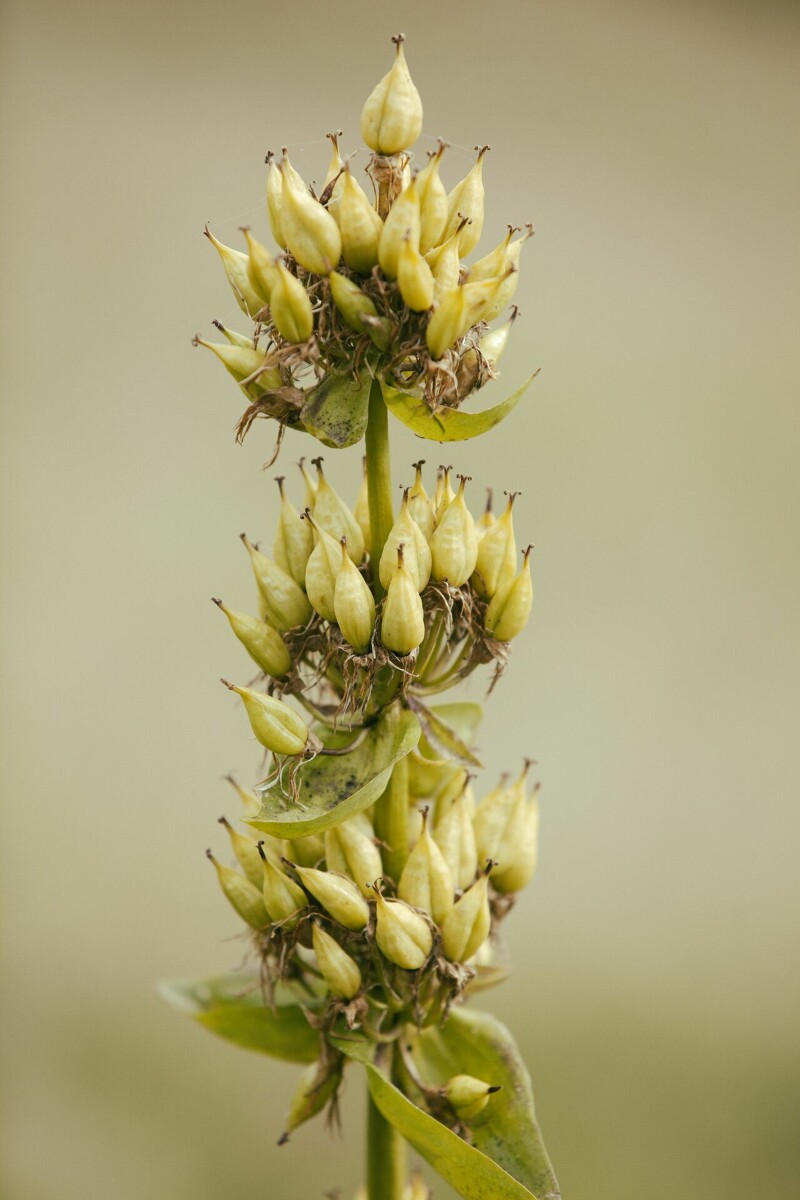
are the capercaillie, hazel grouse, white-backed woodpecker, three-toed woodpecker, and pygmy owl. Notable tree species include the silver fir and yew. Alpine meadows and grasslands are home to rarities such as the globally protected Apollo butterfly, the red-winged grasshopper, and the yellow-flowering arnica. In the high-altitude bogs, the bog yellow-winged skimmer and the extremely rare Alpine mosaic damselfly can be found. Rocky areas are home to rock ptarmigans, golden eagles, chamois, peregrine falcons, and rare plants such as the rock carnation. In addition to numerous gentian and orchid species, the park is home to true rarities such as the rock carnation and the “ Allgäu ” lady’s mantle. The great diversity of species in the Nagelfluhkette Nature Park—often referred to as
high biodiversity —has several causes.
The significant difference in elevation between
valleys and mountain peaks plays an important role. Many animal and plant species are
adapted to very specific altitudinal zones.
The park’s geological diversity also contributes to its rich variety of species.
In total, the nature park encompasses 13 peaks. The Nagelfluh Range forms a natural area unique in the Alps in terms of its topography, featuring a multitude of distinctive features that are worth protecting and experiencing.